
Kathleen Fogler - My Story
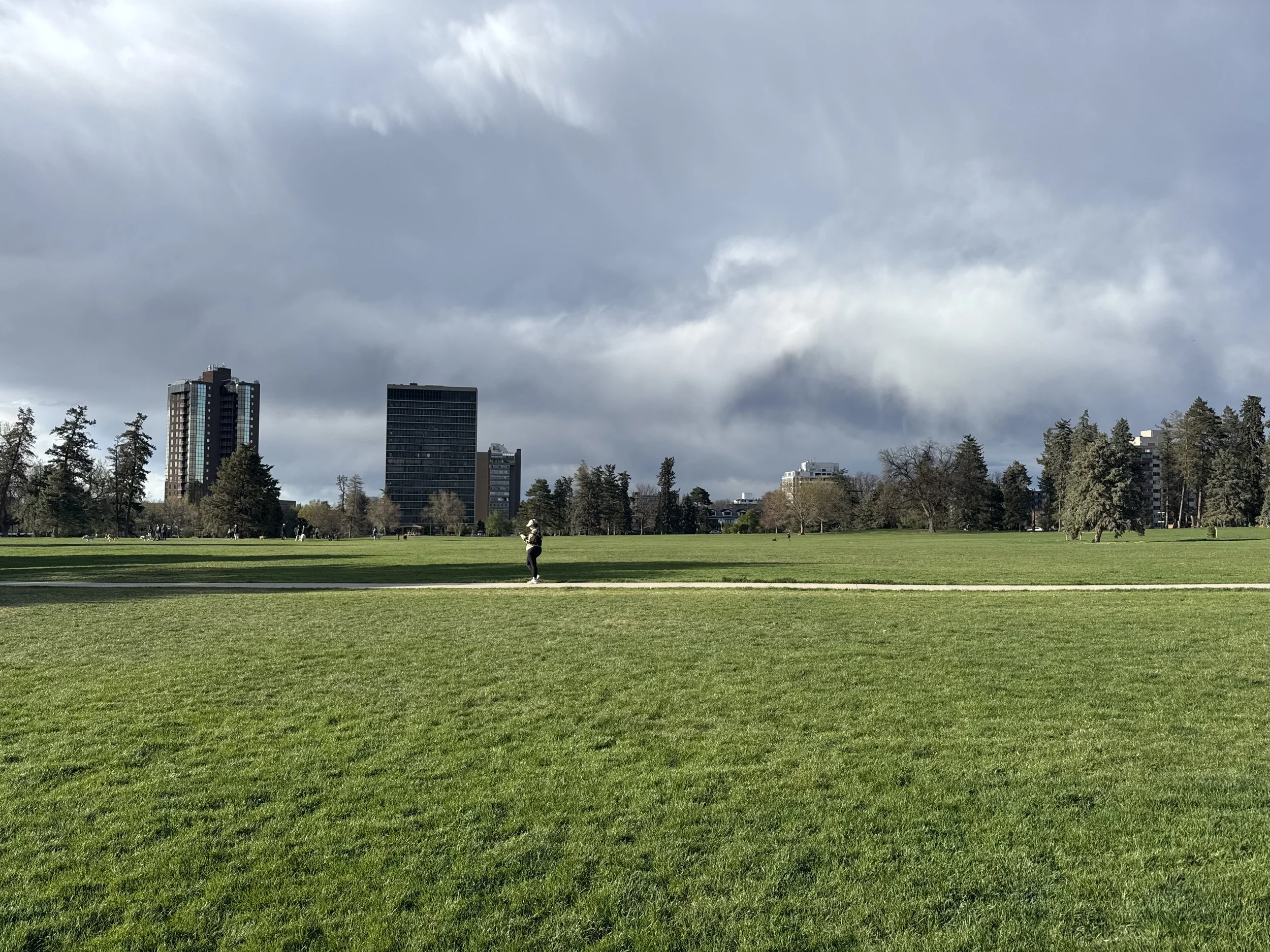
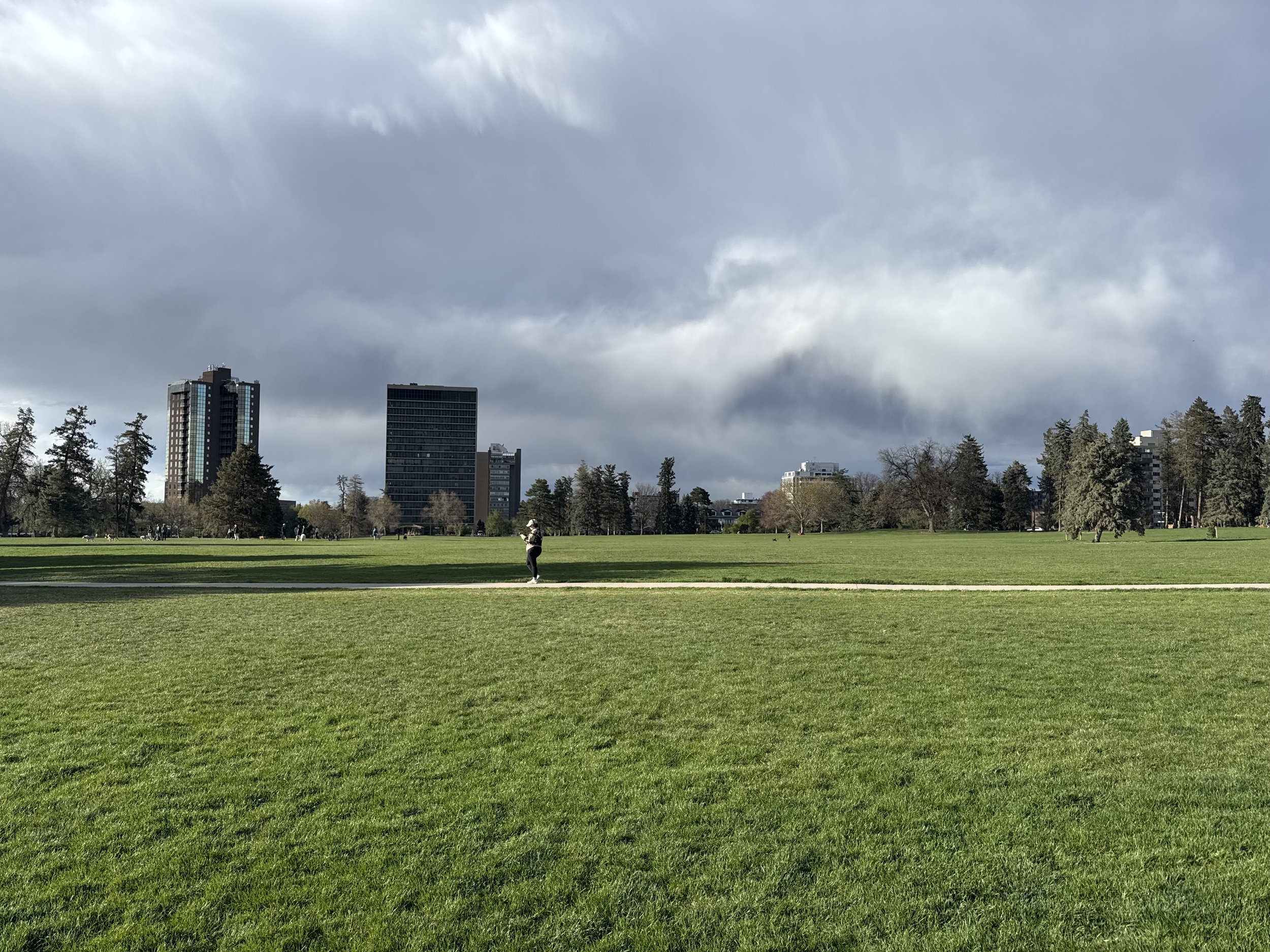
I’ve lived in many landscapes: the beaches and canyons of Southern California, the limestone hills of the Ozarks, the dense urban fabric of Los Angeles and Boston, and now the wide horizon of the American West. Each place left its mark on how I see the world.
A life forms the way a city does — slowly, shaped by geography, culture, memory, and the forces moving through it. My work as an architect and urban designer grew from that unfolding: observing landscapes, understanding how places change, and asking how the places we build might better reflect the land and the lives unfolding within them.
I was born in Northridge, California, and spent my early childhood in Orange County before it was fully “Orange County.” My earliest memories are of landscape — long days at the beach, oak trees lining narrow canyon roads, dry hills against bright blue sky, and pink bougainvillea vines climbing the fence outside our home.
Looking back, I realize I was living through a moment of suburban flight. My parents, like many families at the time, were searching for a landscape that felt safer, quieter, and more grounded. But Southern California was already changing. Growth accelerated. Crowds gathered. The open land slowly disappeared.
In 1993 my family made a much larger move than most families do when searching for more space. Instead of moving farther out within the same metropolitan region, we left California entirely and moved to Springfield, Missouri, on the rolling plateau of the Ozark Mountains.
For my parents, it was a search for authenticity — a landscape where life could feel slower and more connected to the land.
For me, it was formative.
Moving to the Midwest
Springfield and the Midwest were nearly the opposite of Southern California. The move grounded me. It introduced a different rhythm of life — one centered on family, effort, kindness, and the quiet dignity of everyday routines.
But it also introduced a contradiction that would shape my future.
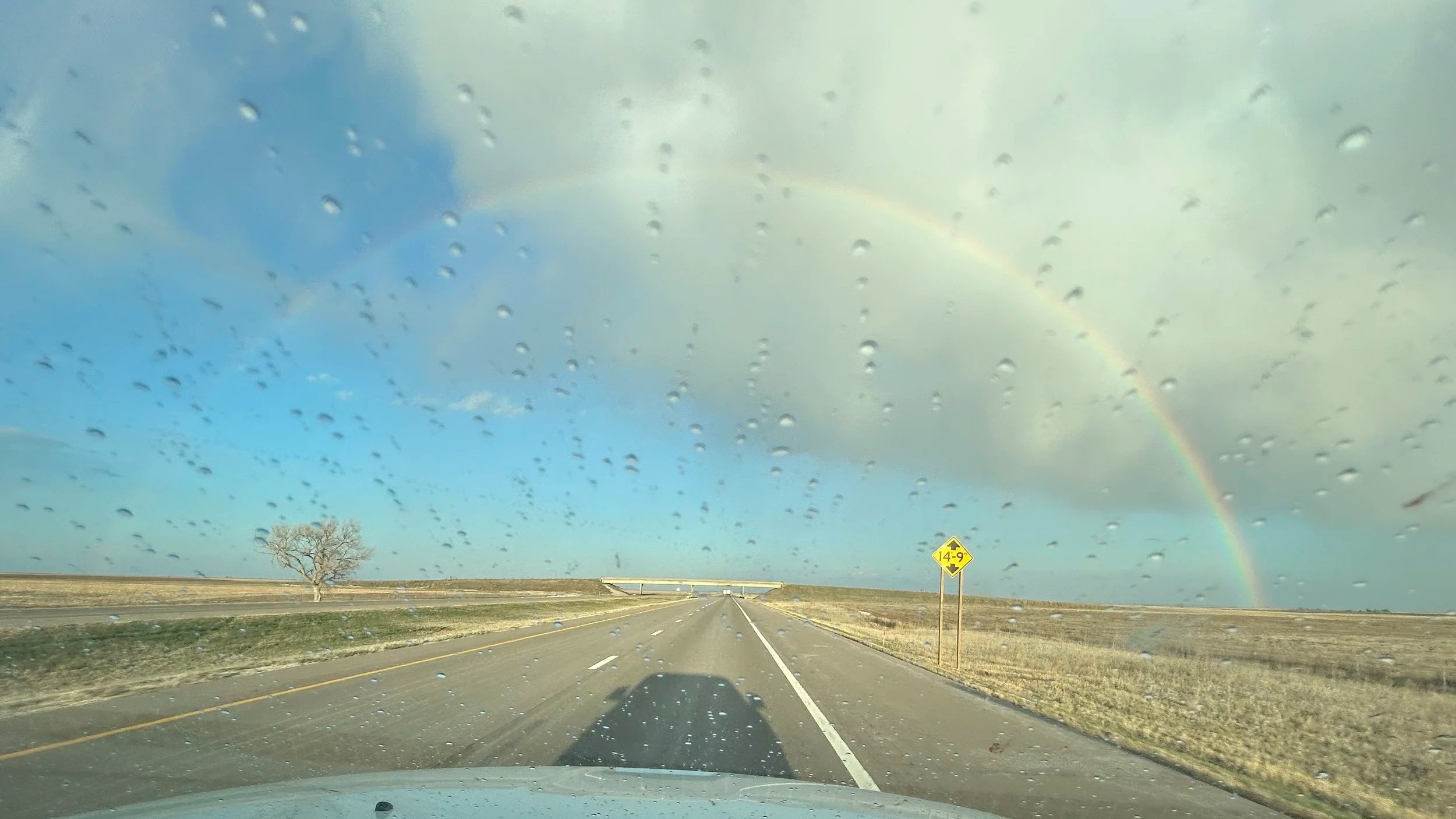
The Ozarks were beautiful. Limestone hills draped in deep green forests. In spring the landscape burst with redbud and dogwood blossoms. Roads curved along ridgelines through the woods, and two-lane farm roads stretched for miles beneath wide skies.
Landscape was — and still is — a calm and steady force in my life.
Yet scattered across that landscape were the commercial strips and power centers that defined modern development. They felt disconnected from the land around them — products of economic cycles rather than expressions of the landscape itself.
Even as a teenager, long before I understood planning history or urban systems, I could feel the tension.
Springfield had shiny new malls on the south side of town while the historic Route 66 corridor and old town square slowly faded on the north. I could feel the disparity. I could feel that something was missing.
I kept asking the same questions.
Why do places grow the way they do?
Why do some places feel whole while others feel fragmented?
How could it be better?
Those questions eventually became my path.
Discovering Cities
I returned to Los Angeles to study architecture at the University of Southern California, earning my Bachelor of Architecture. Living downtown during those years, I became fascinated with the city itself — a place that challenged conventional ideas of urban form.
Los Angeles asks a fundamental question: does a city need a dense downtown and tall skyline to be a city at all?
In Los Angeles, the answer is no.
The real structure of the city lies in its landscapes — the hills, valleys, beaches, and neighborhoods spread across the basin. The ecology of the city is more dynamic than the skyline alone.
Years later I moved again, this time to Boston, where I attended graduate school at The Massachusetts Institute of Technology, earning a Masters degrees in Urban Design and City Planning.
Boston revealed another kind of city entirely — one of the earliest urban structures in the United States. It is dense, walkable, organized around parks, waterfronts, and civic squares. Streets follow rivers and valleys. Towns formed at intervals related to how far a horse could travel in a day.
The city emerged from the landscape rather than being imposed upon it.
It was there that my curiosity about cities became something deeper — a search for the underlying systems that shape them.
Eras of Growth
Across the American landscape, every place carries the imprint of its eras of growth:
settlement along rivers
the public land survey
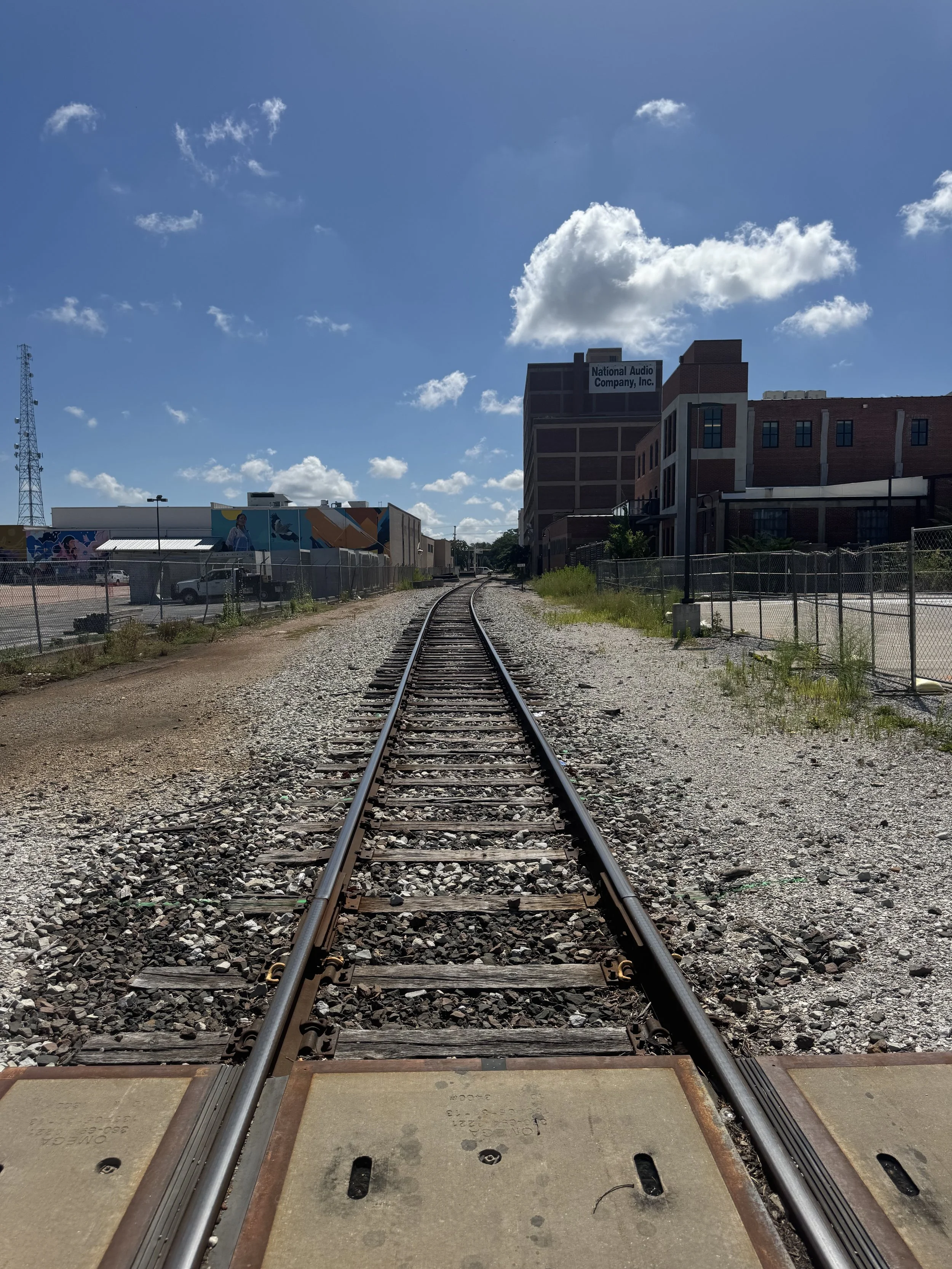
railroads and industrialization
streetcars and the City Beautiful movement
highways and postwar suburbia
urban renewal
historic preservation
new urbanism and multimodal mobility
ecological restoration and adaptive reuse
Each era reflects a shifting cultural ideal about wilderness — whether to conquer it, settle it, organize it, preserve it, or reconnect with it.
Understanding those patterns became central to my work.
Critical Regionalism
My graduate thesis explored these ideas through the lens of critical regionalism — the belief that modern development should emerge from the deeper structure of landscape, culture, and history rather than ignore them.
My thesis, The Transformation of the Ideal Wilderness, returned to Springfield, Missouri to explore the future of urbanism in mid-sized American cities.
For the first time I looked at the place where I had grown up not just with memory, but with analytical tools — decoding the land, its systems, its history, and its trajectory.
That work became the foundation of my design methodology.
Learning How to Build
After graduate school, I had ideas, research, and design ambition. But ideas alone do not build cities.
I spent the next thirteen years in Denver leading the Urban Design Studio at Tryba Architects, a civic-minded architectural practice deeply engaged in shaping cities and communities.
There I learned how ideas become real places.
Urban design exists in the early stages of a project — when a city or client has many aspirations but no clear path forward. It requires collaboration across disciplines: architects, landscape architects, planners, engineers, developers, civic leaders, and community members working together to shape something larger than any one individual.
I was fortunate to be part of a practice that understood architecture as a civic endeavor and valued the collaborative nature of city-making.
My work often begins in that uncertain moment — helping communities clarify a vision, organize complex ideas into a coherent framework, and guide projects from possibility toward reality.
Ideal Wilderness Studio
Over time the questions that first emerged in my childhood landscapes began to converge with my professional experience.
A clearer framework started to emerge — one that connects landscape, history, culture, and the practical realities of building cities.
That framework became Ideal Wilderness Studio.
Through the studio I bring together two decades of research, observation, and professional practice to help cities and regions understand the deeper forces shaping their landscapes — and to guide meaningful, grounded growth.
Cities shape people.
But people also reshape cities.
When we transform our ideals about how we live with land, community, and nature, we transform the places we build.
And through that transformation we create places where we feel whole again — where we are whole again.
Kathleen Fogler, AIA
My Story
I’ve had the fortune of living in four distinct landscapes: the beaches and canyons of Southern California, the limestone hills of the Ozarks, the dense urban fabric of Los Angeles and Boston, and now the wide horizon of the American West. Each place left its mark on how I see the world.
A life forms the way a city does — slowly, shaped by geography, culture, memory, and the forces moving through it. My work as an architect and urban designer grew from that unfolding: observing landscapes, understanding how places change, and asking how the places we build might better reflect the land and the lives unfolding within them.
I was born in Northridge, California, and spent my early childhood in Orange County before it was fully “Orange County.” My earliest memories are of landscape — long days at the beach, oak trees lining narrow canyon roads, dry hills against bright blue sky, and pink bougainvillea vines climbing the fence outside our home.
Looking back, I realize I was living through a moment of suburban flight. My parents, like many families at the time, were searching for a landscape that felt safer, quieter, and more grounded. But Southern California was already changing. Growth accelerated. Crowds gathered. The open land slowly disappeared.
In 1993 my family made a much larger move than most families do when searching for more space. Instead of moving farther out within the same metropolitan region, we left California entirely and moved to Springfield, Missouri, on the rolling plateau of the Ozark Mountains.
For my parents, it was a search for authenticity — a landscape where life could feel slower and more connected to the land.
For me, it was formative.
Moving to the Midwest
Springfield and the Midwest were nearly the opposite of Southern California. The move grounded me. It introduced a different rhythm of life — one centered on family, effort, kindness, and the quiet dignity of everyday routines.
It also introduced a contradiction that would shape my future.
The Ozarks were beautiful. Limestone hills draped in deep green forests. In spring the landscape burst with redbud and dogwood blossoms. Roads curved along ridgelines through the woods, and two-lane farm roads stretched for miles beneath wide skies.
Landscape was — and still is — a calm and steady force in my life.
Yet scattered across that landscape were the commercial strips and power centers that defined modern development. They felt disconnected from the land around them — products of economic cycles rather than expressions of the landscape itself.
Even as a teenager, long before I understood planning history or urban systems, I could feel the tension.
Springfield had shiny new malls on the south side of town while the historic Route 66 corridor and old town square slowly faded on the north. I could feel the disparity. I could feel that something was missing.
I kept asking the same questions.
Why do places grow the way they do?
Why do some places feel whole while others feel fragmented?
How could it be better?
Kathleen Fogler, AIA
My Story
I’ve had the fortune of living in four distinct landscapes: the beaches and canyons of Southern California, the limestone hills of the Ozarks, the dense urban fabric of Los Angeles and Boston, and now the wide horizon of the American West. Each place left its mark on how I see the world.
A life forms the way a city does — slowly, shaped by geography, culture, memory, and the forces moving through it. My work as an architect and urban designer grew from that unfolding: observing landscapes, understanding how places change, and asking how the places we build might better reflect the land and the lives unfolding within them.
I was born in Northridge, California, and spent my early childhood in Orange County before it was fully “Orange County.” My earliest memories are of landscape — long days at the beach, oak trees lining narrow canyon roads, dry hills against bright blue sky, and pink bougainvillea vines climbing the fence outside our home.
Looking back, I realize I was living through a moment of suburban flight. My parents, like many families at the time, were searching for a landscape that felt safer, quieter, and more grounded. But Southern California was already changing. Growth accelerated. Crowds gathered. The open land slowly disappeared.
In 1993 my family made a much larger move than most families do when searching for more space. Instead of moving farther out within the same metropolitan region, we left California entirely and moved to Springfield, Missouri, on the rolling plateau of the Ozark Mountains.
For my parents, it was a search for authenticity — a landscape where life could feel slower and more connected to the land.
For me, it was formative.
Moving to the Midwest
Springfield and the Midwest were nearly the opposite of Southern California. The move grounded me. It introduced a different rhythm of life — one centered on family, effort, kindness, and the quiet dignity of everyday routines.
It also introduced a contradiction that would shape my future.
The Ozarks were beautiful. Limestone hills draped in deep green forests. In spring the landscape burst with redbud and dogwood blossoms. Roads curved along ridgelines through the woods, and two-lane farm roads stretched for miles beneath wide skies.
Landscape was — and still is — a calm and steady force in my life.
Yet scattered across that landscape were the commercial strips and power centers that defined modern development. They felt disconnected from the land around them — products of economic cycles rather than expressions of the landscape itself.
Even as a teenager, long before I understood planning history or urban systems, I could feel the tension.
Springfield had shiny new malls on the south side of town while the historic Route 66 corridor and old town square slowly faded on the north. I could feel the disparity. I could feel that something was missing.
I kept asking the same questions.
Why do places grow the way they do?
Why do some places feel whole while others feel fragmented?
How could it be better?
Discovering Cities
I returned to Los Angeles to study architecture at the University of Southern California, earning my Bachelor of Architecture. Living downtown during those years, I became fascinated with the city itself — a place that challenged conventional ideas of urban form.
Los Angeles asks a fundamental question: does a city need a dense downtown and tall skyline to be a city at all?
In Los Angeles, the answer is clearly no.
The real structure of the city lies in its landscapes — the hills, valleys, beaches, and neighborhoods spread across the basin. The ecology of the city is more dynamic than the skyline alone.
Years later I moved again, this time to Boston, where I attended graduate school at The Massachusetts Institute of Technology, earning a Masters degrees in Urban Design and City Planning.
Boston revealed another kind of city entirely — one of the earliest urban structures in the United States. It is dense, walkable, organized around parks, waterfronts, and civic squares. Streets follow rivers and valleys. Towns formed at intervals related to how far a horse could travel in a day.
The city emerged from the landscape rather than being imposed upon it.
It was there that my curiosity about cities became something deeper — a search for the underlying systems that shape them.
Understanding Growth
Across the American landscape, every place carries the imprint of its eras of growth:
settlement along rivers
the public land survey
railroads and industrialization
streetcars and the City Beautiful movement
highways and postwar suburbia
urban renewal
historic preservation
new urbanism and multimodal mobility
ecological restoration and adaptive reuse
Each era reflects a shifting cultural ideal about wilderness — whether to conquer it, settle it, organize it, preserve it, or reconnect with it.
Understanding those patterns became central to my work.
The Idea of Ideal Wilderness
My graduate thesis explored these ideas through the lens of critical regionalism — the belief that modern development should emerge from the deeper structure of landscape, culture, and history rather than ignore them.
My thesis, The Transformation of the Ideal Wilderness, returned to Springfield, Missouri to explore the future of urbanism in mid-sized American cities.
For the first time I looked at the place where I had grown up not just with memory, but with analytical tools — decoding the land, its systems, its history, and its trajectory.
That work became the foundation of my design methodology.
Learning How to Build
After graduate school, I had ideas, research, and design ambition. But ideas alone do not build cities.
I spent the next thirteen years in Denver leading the Urban Design Studio at Tryba Architects, a civic-minded architectural practice deeply engaged in shaping cities and communities.
There I learned how ideas become real places.
Urban design exists in the early stages of a project — when a city or client has many aspirations but no clear path forward. It requires collaboration across disciplines: architects, landscape architects, planners, engineers, developers, civic leaders, and community members working together to shape something larger than any one individual.
I was fortunate to be part of a practice that understood architecture as a civic endeavor and valued the collaborative nature of city-making.
My work often begins in that uncertain moment — helping communities clarify a vision, organize complex ideas into a coherent framework, and guide projects from possibility toward reality.
Ideal Wilderness Studio
Over time the questions that first emerged in my childhood landscapes began to converge with my professional experience.
A clearer framework started to emerge — one that connects landscape, history, culture, and the practical realities of building cities.
That framework became Ideal Wilderness Studio.
Through the studio I bring together two decades of research, observation, and professional practice to help cities and regions understand the deeper forces shaping their landscapes — and to guide meaningful, grounded growth.
Cities shape people.
But people also reshape cities.
When we transform our ideals about how we live with land, community, and nature, we transform the places we build.
And through that transformation we create places where we feel whole again — where we are whole again.
Kathleen Fogler, AIA
My Story
I have spent my life trying to understand how places shape us — and how, in turn, we shape them.
I’ve lived in many landscapes: the beaches and canyons of Southern California, the limestone hills of the Ozarks, the dense urban fabric of Los Angeles and Boston, and now the wide horizon of the American West. Each place left its mark on how I see the world.
A life forms the way a city does — slowly, shaped by geography, culture, memory, and the forces moving through it. My work as an architect and urban designer grew from that unfolding: observing landscapes, understanding how places change, and asking how the places we build might better reflect the land and the lives unfolding within them.
I was born in Northridge, California, and spent my early childhood in Orange County before it was fully “Orange County.” My earliest memories are of landscape — long days at the beach, oak trees lining narrow canyon roads, dry hills against bright blue sky, and pink bougainvillea vines climbing the fence outside our home.
Looking back, I realize I was living through a moment of suburban flight. My parents, like many families at the time, were searching for a landscape that felt safer, quieter, and more grounded. But Southern California was already changing. Growth accelerated. Crowds gathered. The open land slowly disappeared.
In 1993 my family made a much larger move than most families do when searching for more space. Instead of moving farther out within the same metropolitan region, we left California entirely and moved to Springfield, Missouri, on the rolling plateau of the Ozark Mountains.
For my parents, it was a search for authenticity — a landscape where life could feel slower and more connected to the land.
For me, it was formative.
Springfield and the Midwest were nearly the opposite of Southern California. The move grounded me. It introduced a different rhythm of life — one centered on family, effort, kindness, and the quiet dignity of everyday routines.
But it also introduced a contradiction that would shape my future.
The Ozarks were beautiful. Limestone hills draped in deep green forests. In spring the landscape burst with redbud and dogwood blossoms. Roads curved along ridgelines through the woods, and two-lane farm roads stretched for miles beneath wide skies.
Landscape was — and still is — a calm and steady force in my life.
Yet scattered across that landscape were the commercial strips and power centers that defined modern development. They felt disconnected from the land around them — products of economic cycles rather than expressions of the landscape itself.
Even as a teenager, long before I understood planning history or urban systems, I could feel the tension.
Springfield had shiny new malls on the south side of town while the historic Route 66 corridor and old town square slowly faded on the north. I could feel the disparity. I could feel that something was missing.
I kept asking the same questions.
Why do places grow the way they do?
Why do some places feel whole while others feel fragmented?
How could it be better?
Those questions eventually became my path.
Discovering Cities
I returned to Los Angeles to study architecture at the University of Southern California, earning my Bachelor of Architecture. Living downtown during those years, I became fascinated with the city itself — a place that challenged conventional ideas of urban form.
Los Angeles asks a fundamental question: does a city need a dense downtown and tall skyline to be a city at all?
In Los Angeles, the answer is clearly no.
The real structure of the city lies in its landscapes — the hills, valleys, beaches, and neighborhoods spread across the basin. The ecology of the city is more dynamic than the skyline alone.
Years later I moved again, this time to Boston, where I attended graduate school at The Massachusetts Institute of Technology, earning a Masters degrees in Urban Design and City Planning.
Boston revealed another kind of city entirely — one of the earliest urban structures in the United States. It is dense, walkable, organized around parks, waterfronts, and civic squares. Streets follow rivers and valleys. Towns formed at intervals related to how far a horse could travel in a day.
The city emerged from the landscape rather than being imposed upon it.
It was there that my curiosity about cities became something deeper — a search for the underlying systems that shape them.
Understanding Growth
Across the American landscape, every place carries the imprint of its eras of growth:
settlement along rivers
the public land survey
railroads and industrialization
streetcars and the City Beautiful movement
highways and postwar suburbia
urban renewal
historic preservation
new urbanism and multimodal mobility
ecological restoration and adaptive reuse
Each era reflects a shifting cultural ideal about wilderness — whether to conquer it, settle it, organize it, preserve it, or reconnect with it.
Understanding those patterns became central to my work.
The Idea of Ideal Wilderness
My graduate thesis explored these ideas through the lens of critical regionalism — the belief that modern development should emerge from the deeper structure of landscape, culture, and history rather than ignore them.
My thesis, The Transformation of the Ideal Wilderness, returned to Springfield, Missouri to explore the future of urbanism in mid-sized American cities.
For the first time I looked at the place where I had grown up not just with memory, but with analytical tools — decoding the land, its systems, its history, and its trajectory.
That work became the foundation of my design methodology.
Learning How to Build
After graduate school, I had ideas, research, and design ambition. But ideas alone do not build cities.
I spent the next thirteen years in Denver leading the Urban Design Studio at Tryba Architects, a civic-minded architectural practice deeply engaged in shaping cities and communities.
There I learned how ideas become real places.
Urban design exists in the early stages of a project — when a city or client has many aspirations but no clear path forward. It requires collaboration across disciplines: architects, landscape architects, planners, engineers, developers, civic leaders, and community members working together to shape something larger than any one individual.
I was fortunate to be part of a practice that understood architecture as a civic endeavor and valued the collaborative nature of city-making.
My work often begins in that uncertain moment — helping communities clarify a vision, organize complex ideas into a coherent framework, and guide projects from possibility toward reality.
Ideal Wilderness Studio
Over time the questions that first emerged in my childhood landscapes began to converge with my professional experience.
A clearer framework started to emerge — one that connects landscape, history, culture, and the practical realities of building cities.
That framework became Ideal Wilderness Studio.
Through the studio I bring together two decades of research, observation, and professional practice to help cities and regions understand the deeper forces shaping their landscapes — and to guide meaningful, grounded growth.
Cities shape people.
But people also reshape cities.
When we transform our ideals about how we live with land, community, and nature, we transform the places we build.
And through that transformation we create places where we feel whole again — where we are whole again.